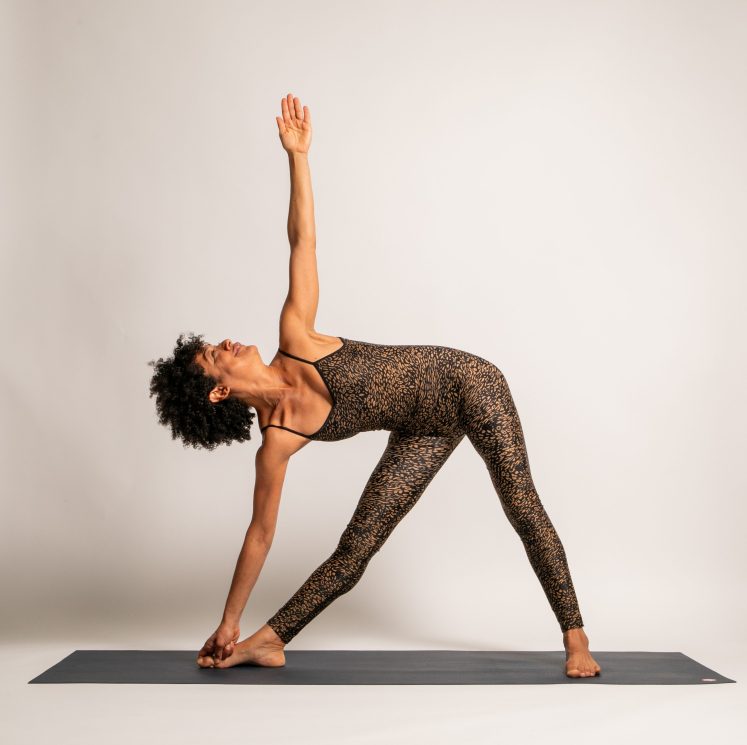
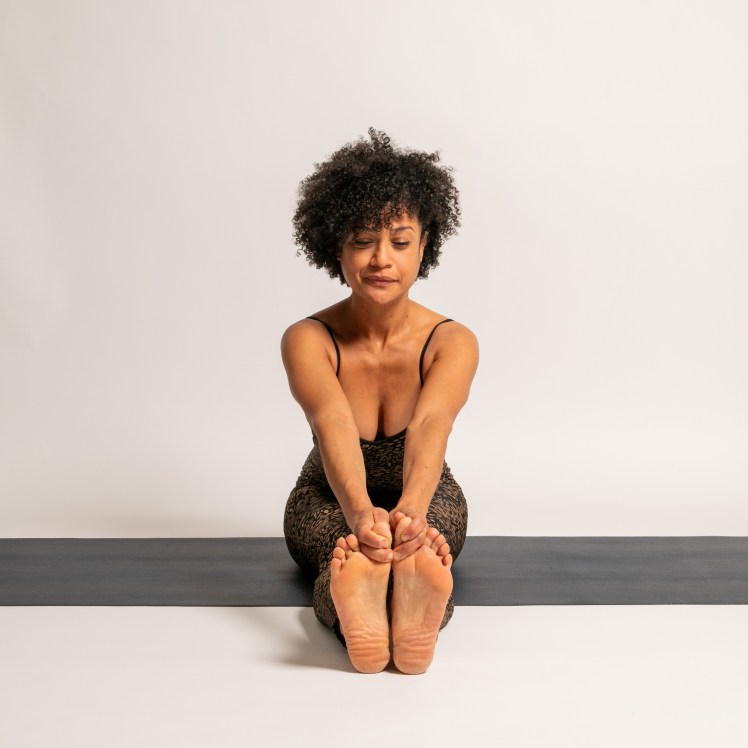
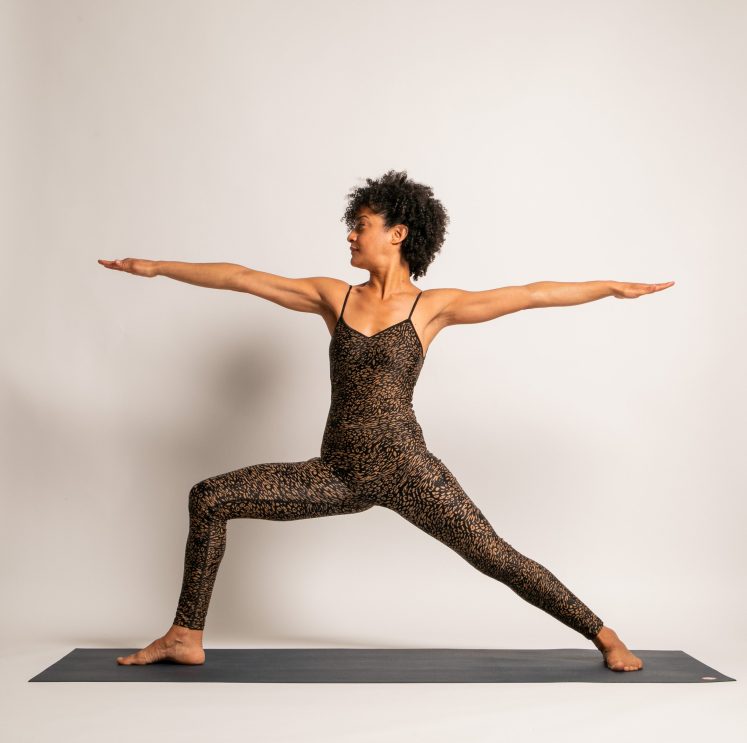
Aṣṭāṅga Vinyāsa Yoga refers to the āsana, or postural, component of the Aṣṭāṅga Yoga system. It is a dynamic method in which postures are linked through precise, predetermined sequences. The structure was built by T. Krishnamacharya in the 1920 and 30’s from his studies with his guru Rama Mohan Brahmachari. The sequences were modified to the modern form by K. Pattabhi Jois and R. Sharath Jois. Their transmission continues to evolve from generation to generation.
The practice is structured around vinyāsa — the synchronization of movement and breath, as well as the fluid transitions that weave the postures together.
The three pillars (Tristana) of vinyāsa are:
– ujjāyi prāṇāyāma (the victorious breath): a controlled diaphragmatic and thoracic breathing technique, producing a steady, audible sound that supports focus and rhythm.
– bandha (internal locks): mūla bandha at the pelvic floor, and uddiyana bandha at the deep abdominal level. Though often called “locks,” they are better understood as subtle, active engagements that stabilize and support both postures and transitions.
– dṛṣṭi (focused gaze): specific gaze points used within and between postures to direct attention and cultivate concentration throughout the practice.
Photo © Céline CHEA 2025
Aṣṭāṅga Mysore Style
Personalized guidance and support within a group class
Mysore Style is the traditional method of teaching and learning Aṣṭāṅga Vinyāsa Yoga. The practice takes place in silence, as it is not a led class. Each student moves through the predetermined sequence of postures at their own pace and in sync with their own breath. The teacher offers individualized support, providing guidance and hands-on assistance tailored to each practitioner’s needs. This personalized approach makes it an ideal environment for developing one’s practice — and it is equally suitable for beginners discovering Aṣṭāṅga Vinyāsa Yoga.
Video at Mysore Yoga CPH 2025
 Ashtanga Vinyasa Yoga and Massage treatments with Amina Mokrane